LG C6 OLED vs Sony Bravia 7 II
How the independent professional reviews compare these two products. Higher values are highlighted; a difference of a few points is within normal disagreement between reviewers.
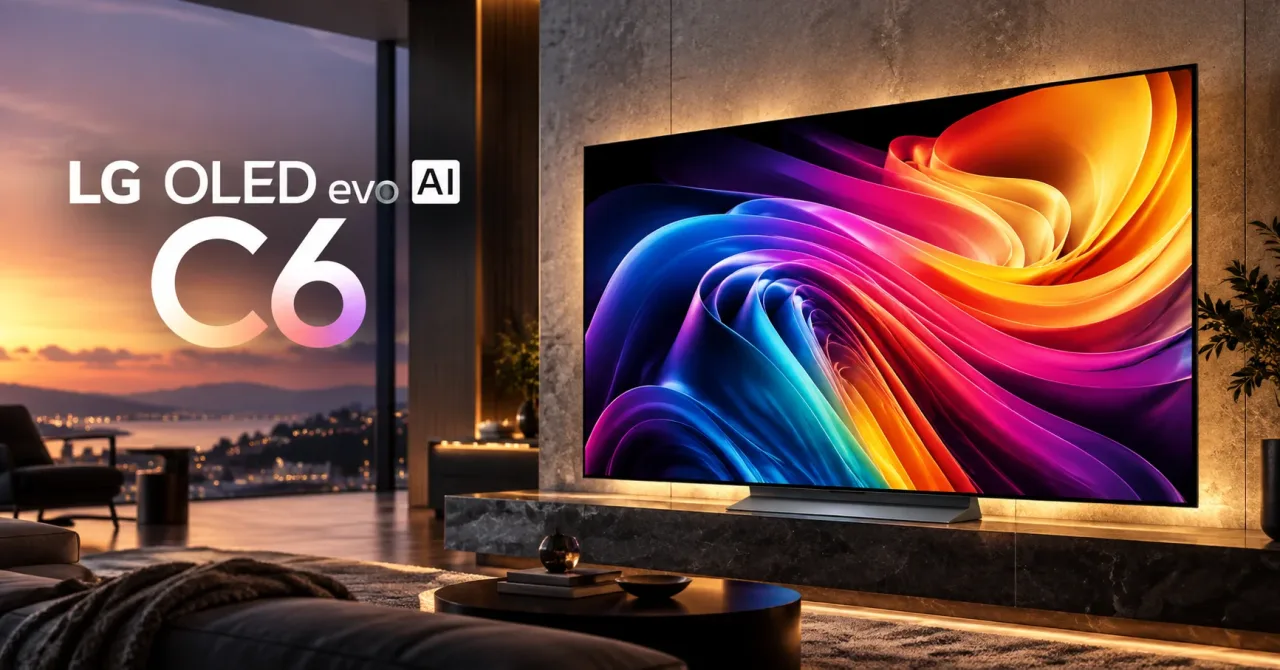
Seven qualifying reviews from four independent editorial groups agree that the LG C6 OLED is the value pick of LG's 2026 OLED range: independent labs measured about 1,355–1,438 nits peak HDR, ZDNET's lab named it the most accurate SDR colour it tested, and TechRadar recorded 9.2 ms input lag at 4K60. Criticism centres on the unchanged design, a reflective screen, no HDR10+ or DTS, and Wi-Fi 5 on the 42-inch. Confidence is low: only two of the four groups publish a score that converts to 0–100, so the numbers rest on What Hi-Fi? (100) and PCMag and ZDNET (80).
Best for: Film and series viewers who want a bright OLED: two independent labs measured roughly 1,355 and 1,438 nits peak HDR in a 10% window, a clear step over the previous generation.; Console gamers: four HDMI 2.1 ports at 120 Hz with VRR and ALLM, and input lag measured between about 9 ms and 13 ms at 4K60 across three reviews.; Buyers who want the G6/W6 processing and webOS 26 for less money: every group analysed treats the C6 as the value pick of LG's 2026 OLED range.
Skip it if: You watch mostly in a very bright room with reflections. Popular Mechanics prefers the Samsung S95H or the Hisense UR9 there, and PCMag notes the screen is not as bright as LCD or OLED rivals' brightest modes.; You need HDR10+ or DTS audio: the C6 supports neither, and the built-in sound is described as adequate rather than good by two sources.; You want the 77-inch or 83-inch — a different panel, sold as C6H in the US, not covered by this verdict.
From $2,699.00 at LG (US, checked Sep 27, 2026)
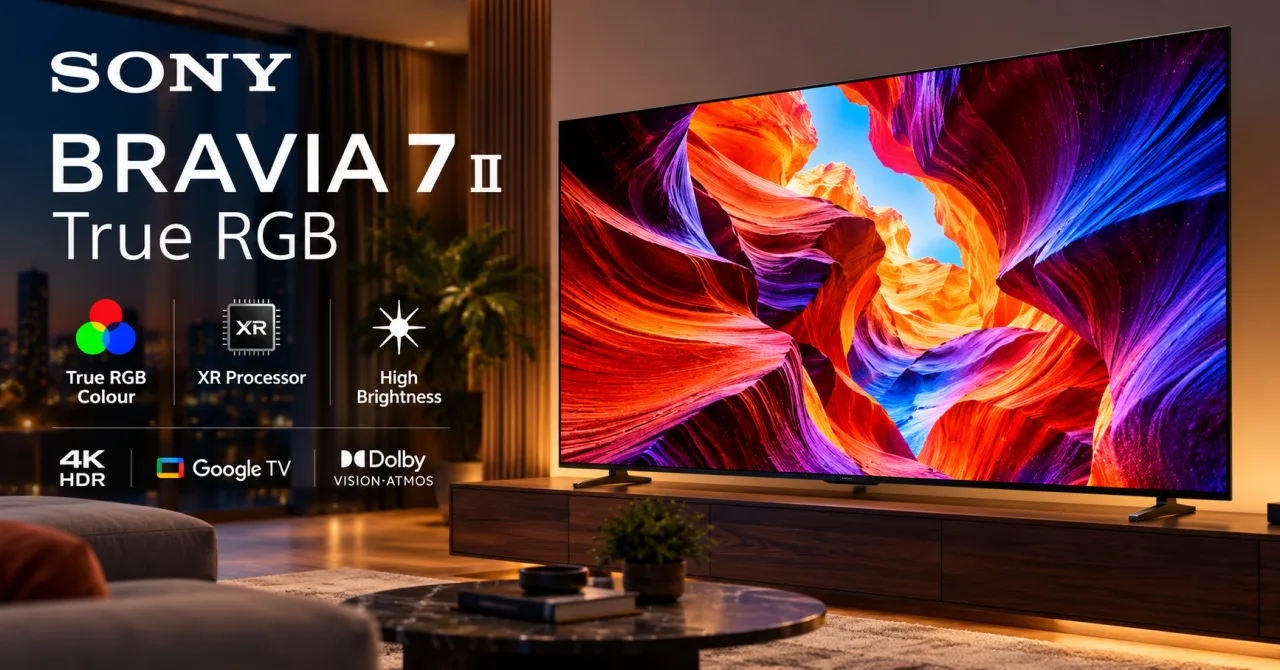
Reviewers agree the Sony Bravia 7 II is 2026's most convincing mid-range LCD: its True RGB backlight is confirmed on this model by every publication read, and it buys colour volume, black uniformity and peak brightness that several reviewers call OLED-rivaling in a dark room. HIFI.DE scores it 9.2/10, Frandroid 9/10, TechRadar 4.5/5 and choose.tv 8.4/10, while CHIP's German school note stays out of the score. The dissent is WIRED's 6/10, which calls contrast and brightness average for the price. The recurring criticisms are price against cheaper OLEDs, weak viewing angles and blooming off-axis, a glossy screen, sound that needs a soundbar, and HDMI 2.1 on only two of four ports.
Best for: Bright rooms and daytime viewing. choose.tv scores it 9.0/10 for watching in bright light, RTINGS measured 953 cd/m2 on a real SDR scene, and Computer Bild and HIFI.DE both call it a bright-living-room set, with Digit and CHIP recording roughly 2,000 cd/m2 peaks.; Film and HDR viewers who want LCD brightness without burn-in risk. RTINGS, The Verge, HIFI.DE, Frandroid, Computer Bild and Digit all record OLED-like blacks in a dark room plus Dolby Vision, and RTINGS notes that LCD panels are immune to permanent burn-in.; PlayStation 5 and Xbox owners. Popular Mechanics calls its PS5 performance amazing, TechRadar measured 10.4 ms of input lag and CHIP 11 ms at 1080p60, and RTINGS, What Hi-Fi? and Frandroid all confirm 4K/120, VRR, ALLM and Dolby Vision gaming.; Buyers who want the True RGB backlight without the Bravia 9 II price. choose.tv says it shows RGB Mini-LED does not have to be reserved for the wealthiest customers, and HIFI.DE calls it a remarkable upgrade over the Bravia 7.
Skip it if: You watch off-axis or from a wide seating arrangement. CHIP measures an acceptable viewing angle of only 40 degrees horizontal and 31 degrees vertical, RTINGS calls the viewing angle mediocre, and TechRadar and HIFI.DE both flag it.; Your room has unavoidable direct light. RTINGS says the glossy coating does very little to reduce direct reflections, TechRadar lists a reflective screen, and Popular Mechanics puts glare in its headline after losing dark-scene detail behind opened curtains.; You want the cheapest route to OLED-grade black. What Hi-Fi?, TechRadar and WIRED all say cheaper OLEDs beat it on contrast, and What Hi-Fi? notes the 55-inch is priced above the LG C6.; Your room is too dark and you expect OLED motion. RTINGS measured disappointing 120 Hz response times and bad 60 Hz transitions, and its review calls fast motion blurry.
From $1,699.99 at Best Buy (US, checked Oct 9, 2026)
Attribute by attribute
| Attribute | LG C6 OLED | Sony Bravia 7 II |
|---|---|---|
| Picture quality | 3 positive, 0 negative | 5 positive, 1 negative |
| HDR brightness | 2 positive, 1 negative | 8 positive, 2 negative |
| Gaming | 2 positive, 0 negative | 4 positive, 4 negative |
| Sound | 0 positive, 0 negative | 1 positive, 2 negative |
| Smart TV platform | 2 positive, 1 negative | 6 positive, 0 negative |
| Design and build | 1 positive, 0 negative | 4 positive, 1 negative |
| Value | 1 positive, 1 negative | 83/100 · 3 positive, 1 negative |
Counts are independent sources; scores appear only where sources published one for that attribute.